⚡ Cutting through noise. Spotlighting the truth.

Bondi Under Fire in Epstein Files Dispute

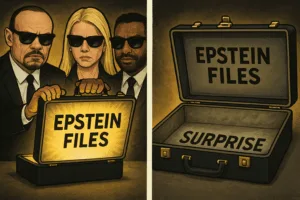
The nation’s demand for answers about the so-called Epstein client list keeps building while Washington gives the same tired routine. Attorney General Pam Bondi lit the latest firestorm after hinting she held explosive records. Within days, the Department of Justice and the FBI shot that story down, announcing there is no such list. Once again, the Beltway’s toxic mix of secrecy and political games serves up outrage instead of answers.
Politicians Dangle Promises They Can’t Back Up
Most Americans have had enough of the dance around Jeffrey Epstein’s network. People want facts, not rumors. When Pam Bondi appeared on national TV in early 2025, she declared she was reviewing the elusive “Epstein client list,” suggesting this was a presidential directive and lending her words the appearance of official weight.
It didn’t last. In July 2025, a blunt DOJ memo ended the speculation, stating the infamous client list does not exist. With that, officials insisted the case is closed, and they won’t supply any more details about so-called “clients.” All related files remain sealed, the DOJ claims, to protect victims.
So the cycle repeats. Politicians tease bombshells, the press churns out headlines, and official Washington slams the vault shut while sneering at “conspiracy theorists” for their curiosity.
Internal Clashes and a Fractured Movement
This time, the fight went public. Bondi squared off with FBI Director Dan Bongino in a White House feud that spilled into full view. Bongino reportedly accused Bondi of “overpromising and underdelivering” after her TV remarks. According to Axios, senior administration officials had to step in and mediate heated arguments over leaks and Bondi’s statements. Bondi herself struggled to clarify whether she possessed a list or was just talking about the mountains of paperwork tied to Epstein’s activities.
On cleanup duty, White House Press Secretary Karoline Leavitt tried to soften Bondi’s claim by telling Fox News she only meant “the entirety of all of the paperwork” relating to Epstein. The translation is simple: Bondi got ahead of herself, and her colleagues in Washington wanted distance fast.
The Public’s Distrust About the “Epstein client list” Won’t Disappear
Anger over the Epstein client list is no passing trend. The country has been force-fed rumors for years about secret records allegedly linking Epstein to the rich and powerful. People are tired of being called conspiracy theorists, especially when the DOJ itself admits to sealed files and locked-down court records.
Federal agencies insist those documents deal strictly with victims and uncharged parties. The July 2025 memo doubled down, claiming more disclosure “would not be appropriate or warranted” and warning against fanning the flames of conspiracy. Yet these statements do nothing to calm suspicions in the real world.
Every time officials contradict each other or refuse basic transparency, trust erodes further. The answer is obvious: sunlight, not more double-talk.
Washington’s Priorities Are Plain to See
When Americans hear, “We can’t tell you for your own good,” frustration spikes. Transparency should not depend on politics. If the DOJ is so sure it has nothing damning in Epstein’s files, why not allow neutral journalists to review them with strict safeguards? Why keep the public guessing and angry?
Powerful people in DC hope time will make these questions go away. Bondi’s ill-chosen words opened the floodgates. The administration’s rush to close them only proved how broken this system is.
The Fight for Answers Continues
Washington’s denials won’t slow the search for the Epstein client list or the demand for accountability. Americans on both sides know what happens when elites operate in the shadows. If Bondi and others expect the public to move on after dramatic claims on live TV, they owe the country answers. Not finger-pointing. Not hiding behind legalese.
The DOJ may hope its final memo will shut the door, but the reality is different. Unless officials start owning past missteps and stop hiding inconvenient facts, public anger will stay front and center.
Let’s say it clearly. If the Beltway is serious about ending wild theories, it starts by showing receipts. The government expects blind trust after years of secrecy and contradictions. Nobody is buying it.
Questions Americans Are Asking
Was there ever an Epstein client list released to the public?
No. The Justice Department and FBI insist there is no incriminating Epstein client list and say nothing more about “clients” will be shared.
Why is Pam Bondi under fire on the Epstein case?
She publicly claimed to possess or review an “Epstein client list.” That directly contradicts the Justice Department’s public statements.
Did the Epstein investigation uncover blackmail of powerful figures?
DOJ and FBI officials say there is no credible evidence that Epstein blackmailed prominent individuals.
The Real Story from Officials
FBI Director Dan Bongino put the record straight: “I worked closely with DOJ leadership on the joint FBI and DOJ memo regarding the Epstein Files. All of us signed off on the contents of the memo and the conclusions stated in the memo.” In other words, the agencies are united in denying any list exists.
White House Press Secretary Karoline Leavitt added, “She [Bondi] was saying the entirety of all of the paperwork, all of the paper, in relation to Jeffrey Epstein’s crimes, that’s what the attorney general was referring to, and I’ll let her speak for that.” This muddled messaging only tightens the mistrust.
What to Remember About Bondi, Bongino, and the Epstein List
– Bondi’s talk of a secret Epstein client list was contradicted by official DOJ and FBI memos
– The Bondi-Bongino dispute only increased confusion and suspicion
– The DOJ insists that any Epstein files regarding “clients” are sealed for the protection of victims, not high-profile offenders
– Public skepticism is fueled by Washington’s refusal to offer real transparency
– To end so-called “conspiracy theories,” officials must start answering tough questions and stop patronizing Americans
Sources and Further Reading