⚡ Cutting through noise. Spotlighting the truth.
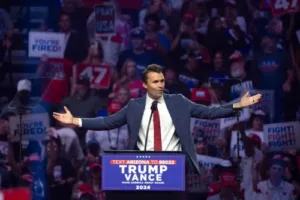
Charlie Kirk Assassination Sparks Political Uproar

After the Charlie Kirk Murder, Campus Politics Hit a Breaking Point
Millions of Americans already felt uneasy about polarization, but the Charlie Kirk murder shattered any illusion that political violence is a distant threat. Last week, conservative firebrand Charlie Kirk was assassinated while taking questions from students at Utah Valley University. The news set off shockwaves across the country, forcing a hard look at the toxic atmosphere on college campuses and the urgent need for action to defend free speech.
Campus Activism: When Rhetoric Turns Violent
Let’s call this what it is. The Charlie Kirk murder did not happen in a vacuum. Authorities charged Tyler Robinson, a 22-year-old tied to leftist activism, and early police statements confirmed Robinson’s repeated, public support for trans rights online. Outrage exploded immediately on X, as the hashtag #JusticeForCharlie surged to more than 350,000 posts in just a week. Fox News was first to report that Robinson’s comments fit broader, aggressive efforts to target conservatives.
Still, blaming social media alone ignores the bigger picture. Today’s American campus is almost unrecognizable to anyone who graduated fifteen or twenty years ago. Recent surveys show 62 percent of students fear sharing their political views. Hostility toward conservatives now goes far beyond ridicule or tough debate. The raw truth is this: the Charlie Kirk murder lays bare just how poisonous our campus climate has become.
Political Violence Campus Trends: A Cultural Line Crossed
For years, warnings about campus intolerance were dismissed as “conservative panic.” The left scoffed. But the threat never went away. Now, the Charlie Kirk murder proves the danger from political violence campus trends is real, not a talking point. Jack Posobiec, Senior Editor at Human Events, put it plainly: “The murder of Charlie Kirk is a wake-up call about the dangerous levels of political hatred stoked by leftist activism online. This is what happens when free speech is no longer respected.”
Universities can no longer hide behind empty calls for “dialogue” after a high-profile assassination like this. Turning Point USA, the organization Kirk led, has scheduled a massive memorial at the Arizona Cardinals’ NFL stadium. Thousands plan to attend, giving the conservative movement fresh resolve.
Meanwhile, some liberal commentators try to focus on calls for “campus safety” or “de-escalation of hate speech.” Yet when “hate speech” means any point of view the left wants silenced, those words ring hollow. Americans recognize the double standard and they will not ignore it.
Suspect Profile: Tyler Robinson and the Search for Motives
Investigators are wasting no time. Kash Patel, FBI Director, told reporters that law enforcement is tracking every possible network or online group that could have influenced Robinson. So far, there is no credible threat to other campus events.
Robinson’s background points to a wider problem. The Tyler Robinson suspect is the face of how America’s divided online world fuels dangerous ideas. Even as the investigation continues, early findings confirm what conservatives have said for years: unchecked activism can turn ugly in real life.
What comes next matters. Campuses need far more than another round of platitudes. We must decide whether we will tolerate this climate or force real change in the wake of the Charlie Kirk murder.
Conservatives Respond: Mobilizing After Tragedy
If anyone thought Kirk’s death would silence the right, think again. Prominent voices like Benny Johnson and Jack Posobiec dominated X, demanding real accountability for the culture of intimidation now rampant on campus. The conservative base is more fired up than ever.
Turning Point USA’s memorial is not just a tribute. It marks a regrouping, a fresh start, and a clear message to every campus official: the era of playing it safe is over. For many activists, this assassination has been brewing for years. They blame unchecked radicalism and media silence for erasing the red lines.
Here’s the catch. Americans want to know if university leaders will finally act to protect real debate. Are we going to see meaningful reform, or will weak rhetoric and excuses rule the day?
Questions on Everyone’s Mind
Who is Tyler Robinson, the Charlie Kirk murder suspect?
Tyler Robinson, age 22, is a Utah resident charged in this high-profile killing. Authorities highlight his ties to progressive activism and vocal online support for trans causes.
How did Kirk’s murder change conservative organizing?
Rage and heartbreak have fueled a surge in activism. Conservative groups now push for serious security reforms at public colleges and demand new laws to safeguard the right to speak freely, even if it offends the crowd.
What is the reaction from leaders and influencers?
On X, big names like Benny Johnson and Jack Posobiec call Kirk’s murder the most chilling proof yet of far-left extremism gone unchecked. They argue that corporate media and campus officials looked the other way for far too long.
The Media and FBI: Spotlight on Political Violence Campus Incidents
No one doubts the tough road facing law enforcement. The FBI, under Kash Patel’s lead, says it will follow every connection in the Robinson case and keep the public informed. Meanwhile, families and students across America cannot shake their fear.
The mainstream press? The split could not be clearer. Conservative media, and Human Events, point straight to a culture of violence fed by militant rhetoric on the left. Some other networks desperately try to paint Kirk’s killing as just another incident, barely raising the stakes.
Remember this: the murder of a conservative icon shows that the “political violence campus” problem has exploded into life-and-death stakes. Soon, we will see which leaders answer the call for change, and which ones keep hiding.
Final Thoughts and What Comes Next
Charlie Kirk’s murder is more than a tragedy. It exposes the reality so many have refused to see. The toxic climate on college campuses, fanned by polarization and leftist activism, sits in the national spotlight now. Voters, university presidents, and everyday Americans must choose. Will we finally restore free speech, or keep enabling a culture that leads to disaster?
For more in-depth analysis, interviews with campus insiders, and strong commentary on the future of political debate, follow @theSpotlight_X_ and explore Trending on X or News.