⚡ Cutting through noise. Spotlighting the truth.

Zarutska Murder Sparks Outrage Over Justice Failures

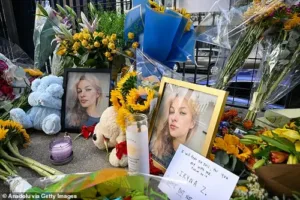
Iryna Zarutska’s Murder Exposes America’s Broken Safety System
Sometimes, a single case jolts us awake. That is exactly what happened with the Iryna Zarutska murder. This crime strikes at the heart of our broken public-safety promises. Picture it: a young Ukrainian refugee, fleeing war, murdered on a Charlotte train by a career criminal who should never have been there. People are outraged, and with good reason. The story is about far more than one evil act. It’s a damning indictment of justice and mental health policies that keep failing the American public.
The Broken Promises Behind the Iryna Zarutska Murder
After each senseless tragedy, politicians show up with condolences and vows to fix the system. Yet the cycle just spins on. The suspect in the Iryna Zarutska murder, Decarlos Brown Jr., carried a rap sheet that should have kept him off the streets: robbery with a dangerous weapon, breaking and entering, larceny, assault, misuse of 911. Forget first-time offender. He was well known to police, courts, and mental health agencies.
Still, he slipped through every crack. On August 22, according to Wikipedia, Brown fare-jumped, riding the train without a ticket, before stabbing Zarutska to death. Why was someone with that criminal history left loose, unsupervised, in our public spaces?
Progressive activists and policymakers have long demanded a “softer” touch. They push for reduced bail and “restorative justice,” claiming that tough enforcement does more harm than good. Here’s the truth. Those ideas collapse when a dangerous person gets returned to the streets, warning signs ignored at every turn.
President Trump didn’t mince words. He called it straight, a “slaughter by a deranged monster.” Yes, local authorities have responded with ticket validators and more fare inspections. That is better than nothing. But it falls short of real reform. If history means anything, this same story will repeat before true change arrives.
Mental Health Excuses Should Not Diminish the Crime
Plenty of commentators want to frame the Iryna Zarutska murder purely as a mental health case. Of course, Brown’s schizophrenia and homelessness played a role, and City Journal points out that our system failed both him and Zarutska. As one expert there said, “America promised Iryna Zarutska a better life. Our mental-health and public-safety systems failed her.”
Focusing only on treatment, however, sidesteps a brutal reality. Not every crisis is solved by therapy and social workers. Government’s first job is public safety. That means consequences, sometimes removing dangerous people from society, not just handing out another referral. The obsession with “decarceration” has real victims.
What about Brown’s history? Courts knew about his violence, his psychosis, and still, he walked free. He once claimed Zarutska was “reading his mind,” proof of severe instability. Yet time and time again, no one stopped him.
Public Safety: Talk Is Cheap, Results Matter
After Zarutska’s murder, Charlotte’s leaders jumped into action—for the cameras, at least. Transit officials and the mayor made statements, announced new security measures, and called the killing “senseless.” We’ve seen this before. Politicians scramble after tragedy, promising fixes too little, too late. The real question is, will they act before more lives are lost?
Conservatives point to a disturbing trend. When progressive “reforms” get prioritized over accountability, public safety crumbles. Transit stops, subways, and parks become less safe as the rules get watered down. Enforcement deters crime. So does jail for people who break the law again and again. Drop both, and you’re asking for chaos.
Look at this case. Fare-jumping, brushed off as a victimless offense, handed Brown his opportunity. Laws matter. Break them down, and we all pay the price.
Who Pays When the System Fails?
For refugees like Zarutska, America is supposed to mean safety and hope, not new predators. That’s why outrage has swept across party lines, even if solutions remain sharply divided. One undeniable fact stands tall. Each time violent offenders and unstable people slip through the cracks, the most vulnerable pay with their lives.
John Hill, Zarutska’s funeral director, put it well: “No one here expected to be here today. This is tragic and most difficult, to say the least.” Behind every headline stand families broken by loss. That cost cries out for more than token reform.
What Can Actually Change?
The way forward isn’t either/or. The system needs stronger mental health services, but also real accountability for criminals. Charlotte’s plan for improved fare checks and security is just a start. The hard bottom line? Unless repeat offenders get kept off public transportation, these tragedies will keep coming.
Reader Questions Answered
What was Decarlos Brown Jr.’s criminal history before the murder?
Brown racked up arrests and convictions for robbery with a dangerous weapon, breaking and entering, larceny, assault, and misusing 911.
Was the suspect fare-jumping when the attack occurred?
Yes. Brown was fare-jumping, officially riding the train without a ticket, when the attack happened.
What mental health issues did the suspect have?
Brown lived with schizophrenia and was homeless. According to his family, he believed the victim was “reading his mind,” clear evidence of paranoia and untreated illness.
How has this case become politicized?
Conservative voices point to the Iryna Zarutska murder as proof that progressive justice reforms aren’t protecting Americans. President Trump used it to call out weak bail policies and failed enforcement.
Expert Insights
John Hill, who led Zarutska’s funeral, spoke for a grieving community: “No one here expected to be here today. This is tragic and most difficult, to say the least.” The outrage stretches beyond Charlotte. According to a mental health expert in City Journal, “America promised Iryna Zarutska a better life. Our mental-health and public-safety systems failed her.” It is hard to find a clearer condemnation.
Takeaways
If the Iryna Zarutska murder finally sparks real reform, her death may yet bring something better. We need to demand systems that protect law-abiding folks, not excuse repeat offenders or overlook untreated mental illness. Public transit safety is about trust. Charlotte’s tragedy is a warning siren for every American city. For more updates, follow @theSpotlight_X_ and explore Trending on X or News.