⚡ Cutting through noise. Spotlighting the truth.

Texas flood recovery efforts

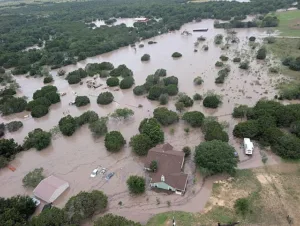
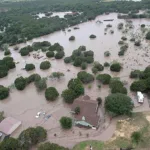
From devastation in the Hill Country to the slow, determined comeback of the Concho Valley, Texas flood recovery is not some fairy tale about resilience. It’s a tough, layered fight—one where families, first responders, neighbors, and a tangled web of agencies collide. The word that matters is urgency. The stakes? The future stability and prosperity of Texas communities.
When Bureaucracy and Texans Collide
Let’s get straight to it. When disaster hits Texas, local folks don’t wait around for Washington. Still, this year’s flooding proves that state and federal coordination isn’t just nice to have—it’s critical. Governor Greg Abbott put it plainly: “There has been extraordinary collaboration with the state and the federal government to make sure that we address Texans’ needs as quickly as possible through disaster assistance programs.”
The Texas State Operations Center has mobilized more than 2,200 personnel and deployed 1,200 vehicles across battered regions. If it seemed like there were more helicopters in the sky than a small conflict, your eyes weren’t lying. The National Guard, the Texas Department of Emergency Management, and mental health teams are all on the ground.
But headlines only capture the early moments. Real Texas flood recovery begins when the floodwaters go down. That’s when the hard work will actually start.
The Reality of Disaster Aid for Texas Communities
Here’s the truth: Many Texas counties now qualify for expanded FEMA programs. Burnet, Kerr, San Saba, Tom Green, Travis, and Williamson counties can access FEMA’s Individual Assistance for personal losses, and some have Public Assistance for infrastructure. Texans can call or apply online, assuming their internet hasn’t floated away.
But federal funding moves at a snail’s pace and comes wrapped in red tape. Despite all the talk of quick coordination, many Texans will be navigating paperwork long after the spotlight fades. With damage assessments ongoing, who gets help, or doesn’t, is still up in the air.
There’s some progress. Local and state agencies have coordinated to provide mental health care, sending licensed counselors, chaplains, and peer-support teams to help victims and hard-hit first responders.
Flood Recovery Needs Real Funding, Not Just Promises
Government speeches won’t protect Texas from its next flood. Only investment will. The Texas Water Development Board oversees programs like the Flood Infrastructure Fund and Flood Mitigation Assistance grants. In theory, these should mean real upgrades—levees, drainage, dam repairs.
Numbers don’t lie. With $50 billion in needs identified, Texas has managed to allocate only $1.4 billion. That’s less than 3 percent. Most of the funding so far has gone to dam repairs, not the range of flood prevention projects communities desperately need.
Texas communities hoping to secure their future have no choice but to chase every state and federal grant. The $600 million recently set aside for mitigation grants across the nation is crumbs for a state this size. Ignore those funds, and the price will be paid when the next downpour arrives.
The Nonprofit Backbone: Neighbors First, Bureaucrats Last
In Texas, when times get tough, neighbors step up before the bureaucracy can even get its boots on. Nonprofits like the Afya Foundation move fast with medical supplies, hygiene kits, and hands-on help. With seventeen years of disaster work, Afya knows the terrain.
Then there’s Operation Kindness, fixing problems the government won’t touch: displaced pets. In Texas, animals are family. Operation Kindness brings food, vet care, and evacuation help to hundreds of pets turned out by the floods. CEO Ed Jamison said it: “We’re committed to providing relief, resources, and services after the initial outpouring of help has dissipated.” Flood damage isn’t a news story—it’s a year-round challenge.
If you want to cut through the noise and help, stick with the real heroes. Funds like the Central Texas Flood Recovery Fund, Afya, and Operation Kindness get the job done. Texans taking care of Texans? That’s how it’s always worked.
The Shortfall in Flood Funding Is a Recipe for Disaster
Let’s be honest. Texas flood-control funding is nowhere near the level of what’s at risk. The latest analysis makes it clear, of more than $50 billion needed, Texas has only put $1.4 billion on the table. Without a course correction, the next round of storms will wreck infrastructure that’s barely rebuilt.
Flood defense won’t ever be glamorous. Ribbon-cuttings are for splashy new parks, not drainage ditches. But every dollar spent before disaster hits saves ten after. Everyone knows it, yet the money trickles in.
Texas treasures local control, but without statewide vision, nothing lasts. Prioritizing flood protection is straight-up common sense: defend property, keep costs down, and protect communities. And if Texans want to keep the feds on the sidelines, nothing is more effective than doing the job before FEMA’s team even arrives.
Mental Health and Community: The Cornerstones of True Recovery
Flood recovery isn’t only about clearing roads and rebuilding homes. The emotional hit is massive. For the first time in recent memory, Texas has centered mental health in its disaster plans. Licensed counselors offer free, confidential help, from church basements to FEMA trailers.
First responders, the ones diving into danger daily, finally see real support. Burnout and PTSD don’t wait for the next storm. With solid mental health care, these men and women can keep serving without burning out.
Local communities, as always, are pulling together. Churches, schools, small businesses—they’re giving shelter, meals, and hope. On the ground, determined Texans move faster than government ever could.
Keeping the Pressure On: What Texas Must Do Next
The real challenge is sticking with flood recovery when the cameras leave. Texans are world-class at looking out for neighbors, right up until the politicians turn their attention to the next saga. But floods aren’t going away, and neither is the need for smart, serious investment.
Don’t settle for the ribbon-cutting, quick-fix aid. Every city and county needs to demand rigorous flood mitigation funding. Push for every grant, scrape for every dollar, and reject half-measures. The formula works: tight coordination, mental health support, nonprofit muscle, and—most critically—honest funding for real infrastructure. If Texas took floods as seriously as border security, the results would speak for themselves.
Reader Questions Answered
What types of aid are available for Texans affected by the 2025 flooding?
FEMA’s Individual Assistance program covers personal recovery. Public Assistance is geared toward restoring infrastructure. Homeowners, renters, businesses, and nonprofits can also qualify for SBA disaster loans.
How can residents get mental health support after the floods?
Licensed counselors and urgent-response crisis teams are set up at key locations, offering free, confidential mental health care. First responders have specialized teams supporting them as well.
How is flood mitigation funding managed in Texas?
The Texas Water Development Board administers the main funds and grant programs, though current allocations barely scratch the surface of what’s needed to actually protect Texas communities.
How can the public help with flood recovery efforts?
Donating to the Central Texas Flood Recovery Fund, or supporting groups like the Afya Foundation and Operation Kindness, helps get real aid where it matters. Contributing supplies or cash through their public wishlists makes an immediate difference.
Expert Voices on the Frontlines
Governor Greg Abbott calls the recovery effort “extraordinary collaboration with the state and the federal government to make sure that we address Texans’ needs as quickly as possible through disaster assistance programs.”
Operation Kindness CEO Ed Jamison sums it up: “We’re committed to providing relief, resources, and services after the initial outpouring of help has dissipated.”
Direct Takeaways
– Texas recovery operations are huge, but funding remains miles behind real needs.
– State response is coordinated, but ultimately dependent on federal approvals and local patience.
– Nonprofits like Afya and Operation Kindness fill massive gaps the government can’t reach fast enough.
– Mental health support is finally a core piece of disaster response.
– For true autonomy, Texas needs to increase its own investments—now.
Sources and Further Reading
-
Governor Abbott Continues State Response, Recovery Efforts for Texans Impacted by Flooding
-
Texas Water Development Board Flood Infrastructure Fund and Grant Opportunities
-
Governor Abbott Announces Approval of Federal Disaster Assistance Following Texas Flooding
More from SpotlightX